

Craft Event Business: How to Start a Creative Experience People Want to Come Back To
On a Friday night, instead of going to a crowded bar, a group of women sat around a long wooden table covered in dried flowers, candles, and soft music.
They laughed, created something with their hands, and left with more than just a finished craft—they left feeling lighter.
That’s exactly why craft event businesses are growing so quickly.
People aren’t just looking for things to buy anymore. They’re looking for experiences—especially ones that feel creative, social, and meaningful.

What Is a Craft Event Business?
A craft event business is a local (or mobile) experience where people pay to attend a guided creative session.
The key difference—and what makes this model powerful—is this:
👉 Each event features a different craft
This keeps people coming back again and again because there’s always something new to try.
Why Craft Event Businesses Are Becoming More Popular
Craft-based experiences are part of a larger shift toward “experience spending.”
Consumers are increasingly choosing experiences over physical goods (Eventbrite trend reports)
DIY and handmade hobbies surged after 2020 and continue to grow
Social, screen-free activities are in high demand
People want:
Connection
Creativity
A break from routine
A craft event business delivers all three.
Craft Ideas That Keep Customers Coming Back
The goal is variety. If every event feels different, your audience has a reason to return.
Beginner-friendly craft ideas:
Candle making
Jewelry making
Paint-and-sip nights
Flower arranging
Seasonal wreath making
Vision boards
Air-dry clay projects
Personalized tote bags
Holiday crafts (ornaments, decor)
DIY skincare (lip balm, scrubs)
Higher-end or unique ideas:
Resin art
Pressed flower frames
Calligraphy workshops
Mosaic art
Terrarium building
Perfume or essential oil blending
👉 Tip: Rotate themes monthly or seasonally to create anticipation.
Where to Host Your Craft Events
You don’t need to own a space to start.
Beginner-friendly locations:
Local cafes (after hours)
Wine bars or breweries
Community centers
Libraries
Boutique shops
Co-working spaces
Mobile model:
You can also bring the event to:
Private homes
Birthday parties
Corporate team-building events
👉 Partnering with a venue is often the fastest way to start.They get customers—you get a space.
How to Price Your Events
Pricing typically includes:
Materials
Instruction time
Venue cost
Your profit
Example pricing:
Basic crafts: $25–$45 per person
Mid-range workshops: $45–$75
Premium experiences: $75–$150+
People are paying for the experience, not just the materials.
How to Market a Craft Event Business
Marketing is what turns this from a hobby into a real business.
What works best:
1. Pinterest (long-term traffic)
Show the finished craft
Use text like: “Girls Night Idea You’ll Actually Love”
2. Instagram
Reels of the process
Before-and-after transformations
Clips from past events
3. Local Facebook groups (high-converting)
Post upcoming events in community groups
Share photos from past events
Engage in local conversations (not just promotions)
4. Nextdoor (very underrated)
Promote events to people in your exact area
Great for filling last-minute spots
Builds trust because it’s hyper-local
5. Email list (your most valuable asset)
Announce new events first
Offer early access or discounts
👉 Your goal: turn first-time attendees into repeat customers.
How to Get People to Come Back (Your Competitive Advantage)
Most businesses miss this.
You’re not just hosting events—you’re building a community.
Ways to increase repeat attendance:
Rotate crafts regularly
Create “series” (ex: 4-week creative workshops)
Offer loyalty discounts
Let attendees vote on future events
Create themed nights (seasonal, holidays, trends)
If people feel connected, they will come back.
Legal Considerations and Insurance
This part matters more than people expect.
You may need:
Business registration (LLC or sole proprietorship)
Sales tax permit (depending on your state)
Event liability insurance
Why insurance matters:
You are working with:
Tools
Materials
Groups of people
If something goes wrong, you need protection.
👉 Look into:
General liability insurance
Event-specific insurance policies
Startup Costs (What You Actually Need)
This business is relatively low-cost compared to others.
Estimated startup:
Supplies for first event: $100–$300
Marketing: $0–$50
Insurance: varies ($10–$50/month range depending on coverage)
You can start small and scale as demand grows.
How This Fits Into Your Business Strategy
A craft event business can easily expand into other income streams.
For example:
You could bundle this with a Party Rental Business by offering tables, chairs, or decor for events
Or build an audience and launch a Newsletter Business to promote events, share tutorials, and sell digital products
This is how simple ideas turn into scalable businesses.
What a First Event Might Look Like
8–12 people
Simple craft (like candle making or painting)
Partnered venue
1.5–2 hours
Even one successful event can validate the entire business.
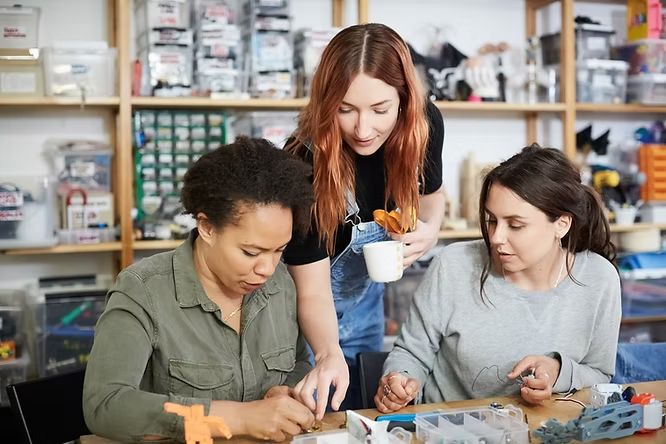
Final Thoughts: This Is More Than a Business
A craft event business isn’t just about making money.
It’s about creating experiences people remember.
People walk in stressed—and leave feeling creative, calm, and connected.
And when you do it right, they don’t just attend once.
They come back.
FAQ: Craft Event Business
Do I need to be an expert?
No. You just need to guide a simple, enjoyable process.
Can I start part-time?
Yes. Many people begin with one event per week.
What if attendance is low?
Start small. Even 3–5 people is a win.
Can this become a full-time business?
Yes—especially with private events, corporate bookings, and repeat customers.


Comments